Estate Planning Designed Around You

At Ivy & Owl Law, we believe estate planning should feel like support—not stress. Whether you're creating your first Will, setting up a Trust, or updating important documents, we offer fixed-rate estate planning services with heart and clarity—so you can move forward with confidence and peace of mind.

Book a Consultation with Our Team
Get a Customized Estate Plan—No Surprise Fees
Feel Secure, Settled, and Prepared
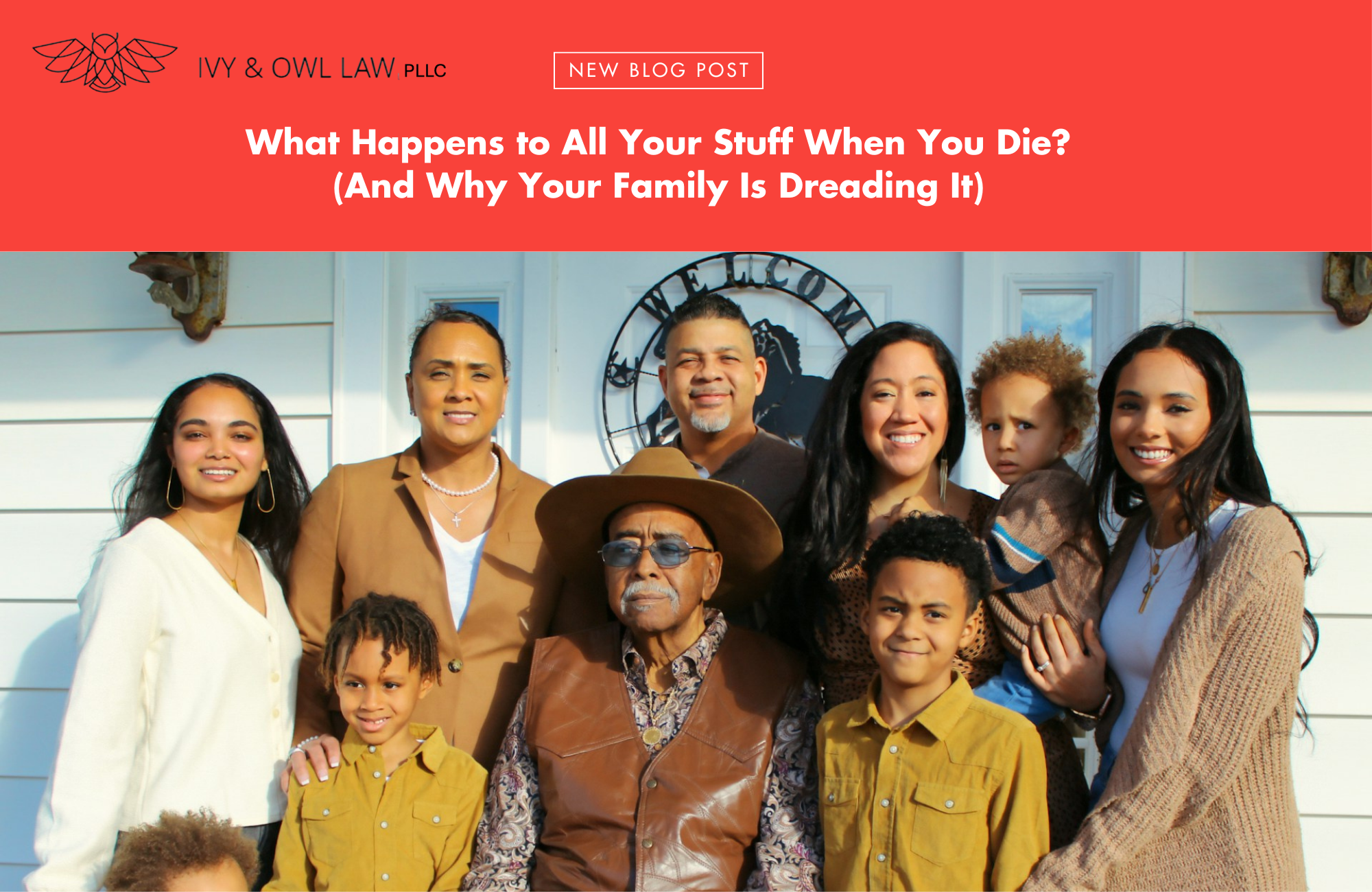
Image of Grandparents with child

The Cost of Waiting Is Too High

Putting off estate planning can leave your family in emotional and financial chaos.

Without a Will or Trust, your loved ones may face probate—long, costly, and public.

A vague or outdated plan can lead to family conflict and legal battles.

Without healthcare directives, critical decisions may be made by someone you wouldn't choose.

Failing to name guardians can leave your children’s future in the court’s hands.

Improper or missing beneficiary designations can delay access to vital assets.

You've worked too hard to leave things to chance.

Meet Ivy & Owl

At Ivy & Owl Law, we believe legal guidance should feel human. Founder Brett Bussan created the firm to bring clarity, empathy, and heart to estate planning—offering families a better, more personal legal experience.

With years of experience and a background in service, Brett takes the time to understand your story, explain your options, and guide you with honesty every step of the way.

Image of happy parents with giggling child.

3 Simple Steps

Book a Consultation with Our Team

Take the first step toward peace of mind. We’ll listen to your story, your family dynamics, and your wishes for the future.

Get a Customized Estate Plan—No Surprise Fees

We’ll create a clear, fixed-rate estate plan tailored to your life—from Wills and Trusts to powers of attorney and healthcare directives.

Feel Secure, Settled, and Prepared

Walk away with the confidence of knowing your wishes are in place, your loved ones are protected, and your future is handled.

Real Stories. Real Relief. Real Results.

"We are so grateful for all the support that you gave us through this process. We couldn’t have gotten it done without you."

K.B., Highland Village, TX
This is some text inside of a div block.

"We did a lot of really important things for our family this year. Creating a plan was by far the biggest. Thank you so much for your help."

M.E., Shady Shores, TX
This is some text inside of a div block.

Now You Can Feel Real Relief

When you work with Ivy & Owl Law, you're not just creating documents—you’re building security and clarity for the people and future that matter most.

Your loved ones are protected—without the stress of probate

Your children have trusted guardians, clearly named

Your wishes are legally documented and will be honored

Your healthcare decisions are respected, even if you can’t speak for yourself

Your financial matters are in trusted hands, no matter what life brings

Your estate plan is complete—without fear of surprise fees

Image of happy family with parents and two young toddlers.

From Our Blog

Wills and Trusts
January 2, 2026

Wills vs. Trusts: How to Choose the Right Tool to Protect the People You Love

Wills vs. Trusts: How to Choose the Right Tool to Protect the People You Love When you begin thinking about estate planning, one of the first questions you might ask is whether you need a will, a trust, or both. You may have heard conflicting information from friends, social media, or TV experts, which can make the decision feel confusing. And while both wills and trusts can play an important role in your estate plan, the real question is not which document you should choose, but how to create a plan that actually works when your loved ones need it to. In this article, you’ll learn the real difference between wills and trusts, how each works in practice, and what you should consider before making a decision. More importantly, you’ll discover why choosing the right tool is only one part of building a plan that keeps your family out of court, out of conflict, and out of costly mistakes. What a Will Does and What It Doesn’t Do A will is often the first document people think of when they think about estate planning. It allows you to state who receives your assets and who you want to raise your children after you die. But a will has important limitations that most people don’t realize until it’s too late. A will must go through probate, which is a court process that becomes public record. Even in states considered “probate-friendly,” the process can still take months or years, cost thousands of dollars, and create opportunities for conflict. If you have minor children, a will also does not prevent them from being placed in the temporary care of strangers until a judge sorts things out, unless you have a comprehensive estate plan in place. Importantly, a will also has no authority while you are living. If you become incapacitated, your loved ones will still need additional legal tools to manage your medical decisions, financial matters, and personal care. Without a plan that addresses incapacity, your loved ones may face court involvement, delays, and unnecessary stress during an already emotional time. And, yes, if you have a power of attorney that does operate while you are living, BUT your power of attorney stops operating at the time of your death. I know, it can be confusing. That’s why we always begin with clear education so you understand what you are doing, and why, and then support you to choose the right plan (and fee) for you. Because of the limitations of wills and powers of attorney alone, many people look to trusts for greater protection and privacy. How a Trust Works A trust is a legal structure that can hold your assets during your lifetime and distribute them according to your instructions when you die. Unlike a will, a properly funded trust bypasses probate entirely, keeping your affairs private and allowing your loved ones to take action and handle your affairs immediately when something happens to you A trust also gives you far more control. You can protect a child’s inheritance from divorce, lawsuits, or poor financial habits, and you can determine how and when they receive assets. With the support of an experienced attorney and ongoing plan reviews, a trust can remain aligned with your changing assets, family dynamics, and long-term wishes. One common misunderstanding is that simply signing a trust means everything is handled. Unfortunately, traditional lawyers and DIY services often leave the most important step unfinished: funding the trust. When assets are not titled correctly, the trust fails, and your loved ones still end up in probate, which is often the very outcome the trust was meant to avoid. The real value comes from working with a lawyer who ensures every asset is properly transferred, kept up to date, and fully coordinated with your overall plan. So how do you decide whether you need a will, a trust, or both? It starts with understanding what you want your plan to accomplish. Key Factors to Consider When Deciding Between a Will and a Trust When choosing the right tools for your plan, the decision is not simply about documents. It’s about your goals, your family, and the legacy you want to leave behind. Here are some things to consider: 1. Do you want to keep your loved ones out of court? If avoiding court, reducing conflict, and preserving privacy are important to you, a trust may be the best option. Many families believe probate court will be “simple,” but real-life stories show how quickly things can spiral. From siblings fighting over sentimental items to property stuck for years, the cost of a cheap or incomplete plan can be devastating. 2. Do you have minor children? A will alone is not enough to protect your children. You need documents naming long-term guardians, short-term guardians, clear instructions to avoid your children being taken into temporary custody of the authorities, and documentation that excludes anyone you’d never want to raise your kids. A trust can also preserve assets for your children and ensure caregivers receive the support they need. 3. Do you own a home or have more than one account? Even modest estates benefit from a trust because it simplifies management and prevents assets from slipping through the cracks. Today, unclaimed property in the U.S. exceeds $60 billion, largely because families couldn’t locate assets or the owner didn't keep an updated inventory. A trust-based plan, paired with ongoing guidance, helps prevent your life’s work from becoming part of that statistic. 4. Do you want someone you trust to manage things if you become incapacitated? A trust can provide immediate authority to someone you choose, avoiding a court-supervised conservatorship. This keeps your bills paid, your home maintained, and your wishes honored without court delays. 5. Do you want long-term protection for beneficiaries? If you want your loved ones to receive assets protected from creditors, lawsuits, or divorce, a trust offers options a will simply cannot. If you have loved ones who aren’t financially responsible, suffering from addiction, or have special needs, a trust will ensure assets are protected for their benefit. No matter which tool you choose, what matters most is that your plan works when your loved ones need it. That requires more than documents. It requires education, support, guidance and counsel. That’s why we always begin your estate planning with a Life & Legacy Planning Session. What to Do Now As a trusted advisor to you and your loved ones, my objective is not just to help you choose between a will and a trust. I’m here to help you create a comprehensive estate plan, called a Life & Legacy Plan, that protects the people you love, keeps them out of court and conflict, and ensures your wishes are honored. I also have systems to review your plan over time, ensuring your plan will work when the people you loved need it, and that our firm will be there for them, when you can’t be. If this all sounds expensive, I can assure you that it’s a lot less costly than the loss of your assets to avoidable court costs, conflict, or your loved ones simply not knowing what to do or what you have. Read More...

Make the Smart Move Today

From Wills and Trusts to guardianships and powers of attorney, Ivy & Owl Law offers clear guidance with heart. We’ll walk you through every step of your journey—no confusion, no surprises, just smart legal care that fits your life.